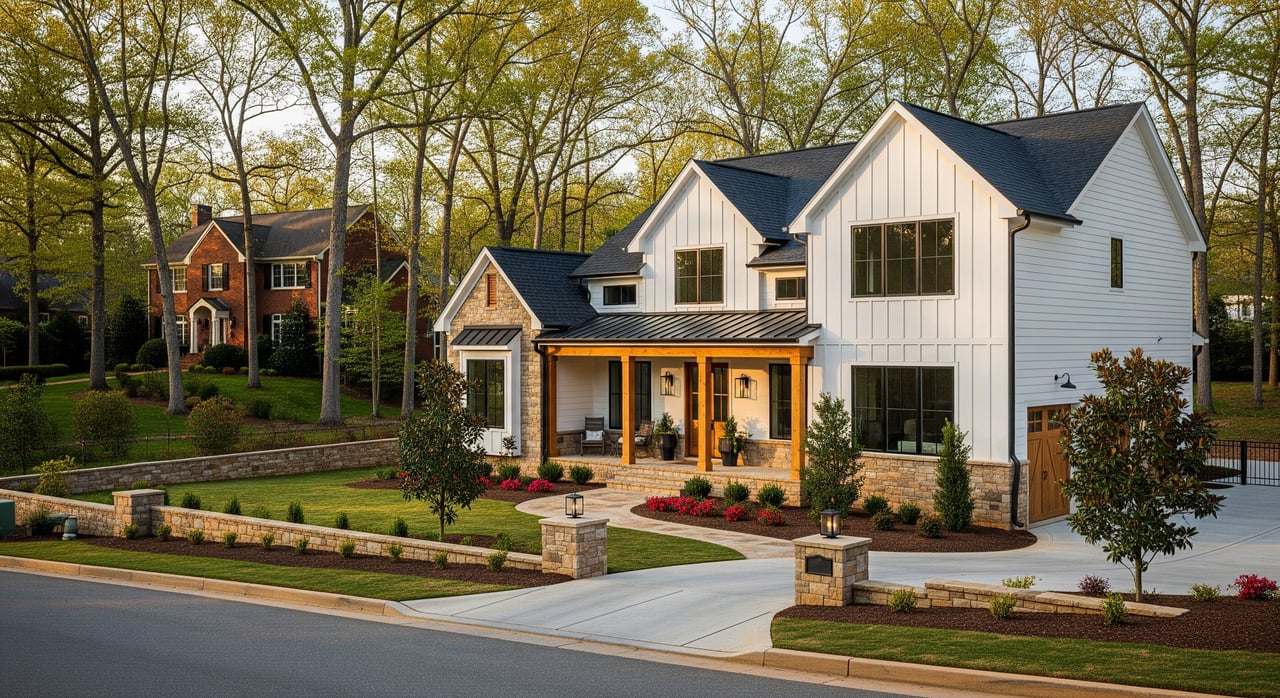
Thinking about a new build or a resale home in Cumming and not sure which route fits you best? You are not alone. Between build timelines, HOA fees, warranties, and long-term upkeep, the choice can feel overwhelming. In this guide, you will see the key tradeoffs in plain language, plus checklists and a quick decision tool to help you move forward with confidence. Let’s dive in.
Cumming market context at a glance
Cumming and Forsyth County continue to see steady growth thanks to access to GA 400, Lake Lanier, and established neighborhoods. That means you will find both active new communities and a healthy selection of resale options. New construction often shows up in master-planned neighborhoods or infill builds, while resale homes range from established subdivisions to lake-area properties. Before you tour, plan to verify property taxes, HOA details, and school zoning for any address you consider.
New construction: what to expect
Key advantages
- Move-in new condition with modern floor plans and energy-efficient systems.
- Builder warranties can reduce near-term repair costs.
- Personalization of finishes and, in some cases, layout options.
- Community amenities are common, such as pools, clubhouses, and trails.
Potential tradeoffs
- Build timelines can shift, which affects move-in dates and temporary housing plans.
- HOAs in amenity-rich communities often come with higher dues.
- Upgrade costs add up quickly. Compare the base package to the model home.
- Early phases may involve ongoing construction nearby for a period of time.
Typical build timelines
- Production or spec homes: often 4 to 8 months from permit to certificate of occupancy if the lot is ready.
- Semi-custom builds with options: typically 6 to 10 months depending on selections and lot readiness.
- Full custom builds: commonly 9 to 18 months or more based on design, permitting, and contractor schedule.
What can slow a build in Forsyth County
- Permitting and inspection backlogs at local offices.
- Lot infrastructure that is not yet finished, including roads and utilities.
- Seasonal labor capacity and strong local demand for subcontractors.
- Material lead times for items like windows, HVAC equipment, and appliances.
Resale homes: what to expect
Key advantages
- Faster path to closing compared with building from scratch.
- More price-per-square-foot value depending on the market and condition.
- Established neighborhoods with mature landscaping and settled surroundings.
- Potential for negotiation on price, repairs, and seller concessions.
Potential tradeoffs
- No builder warranty; you rely on inspection results, disclosures, and insurance.
- Systems may be closer to end of life, which can increase near-term costs.
- Older insulation, windows, and HVAC can lead to higher utility bills.
- Renovation projects may require permits and careful scope planning.
Warranties: how they compare
New construction warranty norms
- 1-year limited warranty for workmanship and materials.
- 2-year warranty for major systems like HVAC, electrical, and plumbing.
- 10-year limited structural warranty for load-bearing components.
Confirm warranty duration, scope, exclusions, claim process, and response times in writing. Ask if a third-party company backs and administers the warranty, and whether it transfers to a future buyer.
Resale warranty options
Resale homes do not include a builder warranty. Sometimes sellers offer a one-year home warranty as an incentive. You should rely on inspections, disclosures, and a realistic maintenance plan for systems that may be nearing replacement.
HOA and amenities in Forsyth
New communities
New construction neighborhoods often include organized amenities. HOAs commonly maintain common areas and manage amenities, and dues can rise as new phases and amenities come online. In amenity-rich suburban Atlanta communities, monthly dues often range from about 150 to 400 dollars or more depending on what is included. Confirm the actual amount and coverage for each community you consider.
Resale neighborhoods
Resale areas in and around Cumming range from no-HOA streets to low-fee HOAs with basic covenants, as well as established communities with long-running budgets. Review recent maintenance of common areas and any history of special assessments.
What to read in the HOA documents
- Current budget, reserves, and any planned dues increases.
- History of special assessments and the board’s power to levy them.
- Architectural rules, exterior guidelines, and rental restrictions.
- Amenity timelines for new neighborhoods and hours or access rules for existing ones.
- Management company details versus self-managed operations.
Total cost of ownership: look beyond list price
Core cost components
- Mortgage principal and interest.
- Property taxes based on county assessment and millage rates.
- Homeowners insurance, which may vary near Lake Lanier or for older systems.
- HOA dues and the potential for special assessments.
- Utilities that reflect insulation, windows, HVAC efficiency, and appliances.
- Routine maintenance and repairs.
- Major replacements like roof, HVAC, water heater, and appliances.
How new builds often pencil
New homes often carry a higher purchase price but can lower near-term costs with energy-efficient features and warranty coverage. You may save on utilities and defer big-ticket replacements for several years. Builders may also offer incentives such as closing credits, rate buydowns, or included upgrades. Get all incentives and included features in writing.
How resale often pencils
Resale homes may offer a lower initial price and more negotiation flexibility. Plan for maintenance and set aside a reserve. A common rule of thumb is to budget about 1 percent of the home’s value per year for upkeep and replacements, adjusted for the home’s age and condition.
Quick decision tool: new or resale?
Use this simple checklist. Give yourself 1 point for each statement that feels true for you.
- I want to customize finishes and prefer a modern layout. (New +1)
- I have a firm move-in deadline and want less timing uncertainty. (Resale +1)
- I am willing to pay HOA dues for amenities and neighborhood maintenance. (New +1)
- I prefer mature trees, settled surroundings, and less nearby construction. (Resale +1)
- I want the predictability of builder warranties. (New +1)
- I want more room to negotiate on price or repairs. (Resale +1)
Tally your points. A higher New score suggests new construction may fit. A higher Resale score suggests you should focus on existing homes. If your scores are close, tour both paths and compare total cost of ownership side by side.
Smart next steps in Cumming
- Get prequalified or preapproved so you can act quickly when you find the right fit.
- Shortlist neighborhoods and verify school zoning using official boundary maps.
- For new communities, ask about buyer representation policies, phase maps, and lot releases.
- Pull recent comparable sales for both new and resale areas to understand value.
- Build a simple total cost worksheet including taxes, HOA, utilities, and a maintenance reserve.
- If you are relocating or busy, set up virtual tours and a targeted in-person day to compare options efficiently.
What to check on tours
New construction tour checklist
- Builder track record: recent local projects, references, and who administers the warranty.
- Inclusions list versus model home upgrades; written pricing for options.
- Timeline specifics: permit status, milestone dates, and remedies for delays.
- Lot details: orientation, slope, drainage, easements, and proximity to future phases.
- Energy features: insulation R-values, HVAC ratings, window specs, and estimated utilities.
- Change order policies and any cost escalation or financing clauses.
Resale tour and due diligence checklist
- Full home inspection covering structure, roof, HVAC, electrical, and plumbing.
- Age and service history of roof, HVAC, water heater, and major appliances.
- Permit history for past renovations or additions, with closed permits.
- Title and easements, including any floodplain notes near Lake Lanier.
- HOA disclosures: minutes, budget, reserves, and any pending assessments.
- Contractor estimates for inspection items you plan to negotiate.
Final thoughts
Both paths can work in Cumming. New construction offers clean starts, warranties, and amenities. Resale gives you speed, established neighborhoods, and potential value opportunities. The right choice comes down to your timeline, budget, and comfort with maintenance. If you want a side-by-side comparison tailored to your goals, let’s build it together.
Ready to compare options with investor-grade clarity and a family-first plan? Schedule a quick consult with Jim Stern to map out your budget, shortlist communities, and set tours that make the decision easy.
FAQs
How long does new construction usually take in Cumming?
- Production or spec homes often take 4 to 8 months, semi-custom builds 6 to 10 months, and full custom 9 to 18 months or more, with timing influenced by permits, infrastructure, labor, and materials.
What builder warranties should I expect on a new home?
- Many builders use a 1-year workmanship and materials warranty, a 2-year systems warranty, and a 10-year limited structural warranty; always confirm terms, exclusions, and claim process in writing.
Are HOA fees typically higher in new communities around Cumming?
- Amenity-rich new neighborhoods often have higher dues, with many suburban Atlanta communities ranging from about 150 to 400 dollars per month or more depending on what is included; verify each community’s budget and coverage.
How fast can I close on a resale home versus building?
- Resale closings are typically much faster than building from scratch, with timing driven by your financing, contract terms, and the seller’s move-out needs.
How do I compare total cost of ownership for new vs resale?
- Add up mortgage, taxes, insurance, HOA dues, utilities, routine upkeep, and major replacements; new homes often reduce near-term maintenance and utility costs, while resale may require a maintenance reserve of about 1 percent of value annually.
Can I negotiate incentives on new construction and concessions on resale?
- Builders may offer incentives such as closing credits, rate buydowns, or included upgrades, while resale sellers may negotiate on price or provide credits for repairs after inspection; get all terms in writing before you commit.
