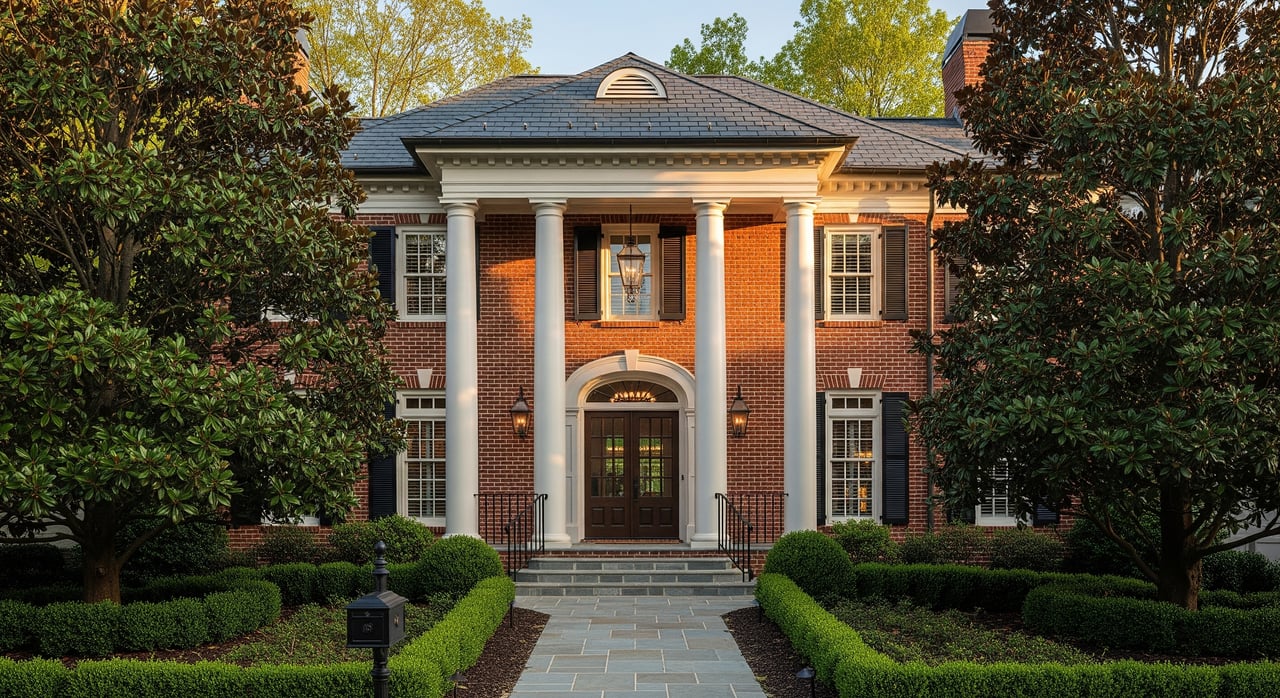
Pricing your home right is the fastest way to spark strong interest, shorten days on market, and protect your bottom line. If you live in Lawrenceville, you already know that one street, school boundary, or subdivision can shift buyer demand and price bands. This guide gives you a simple, data‑driven plan you can use to set a confident list price, backed by local comps and a launch strategy aligned with buyer behavior. Let’s dive in.
Know your Lawrenceville market
Lawrenceville pricing lives at the micro level. Subdivisions around historic downtown, areas near Gwinnett Medical Center, and newer communities along Hwy 316 often trade in different ranges. Proximity to commute corridors like I‑85 and I‑285 can shift what buyers will pay, as can lot usability and parking.
School assignments can influence buyer pools in specific micro‑neighborhoods. The key is to price against the most relevant comps for your exact area and home profile, not against broad city averages. Always pull the latest trends the week you list, since inventory, rates, and days on market change quickly.
Build your comp set
Choose the right sales
Start with sold homes from the last 3 to 6 months. If sales are thin, expand to 6 to 12 months and flag older comps in your notes. Stay inside your subdivision or micro‑neighborhood first, or use a tight radius such as 0.25 to 1.0 mile with a similar HOA or school zone.
Match properties by core features: beds and baths within plus or minus one, above‑grade square footage within 10 to 20 percent, similar lot size and year built within 10 to 15 years, and the same construction type. Focus on arms‑length single‑family sales and avoid distressed outliers unless they dominate your area.
Gather the right data points
For each comp, collect:
- Sale price, list price, sale date, and days on market (DOM)
- Above‑grade price per square foot
- Beds, baths, finished above‑grade square footage, and whether a basement is finished
- Lot size, year built, major updates, garage or carport, pool, and bonus spaces
- Any seller concessions noted and photographs to confirm condition
Run the price-per-square-foot math
Use a repeatable formula so your price is easy to defend:
- Price per sqft = Sale price ÷ Above‑grade square feet
- Median PPSF for your comp group = median of those PPSF values
- Starting value for your home = Median PPSF × Your above‑grade square feet
That gives you a clean baseline. Next, tailor the number with feature and condition adjustments.
Adjust for condition and features
Use paired sales and condition bands
Avoid universal percentages you found online. Instead, group your comps by condition so your adjustments reflect what buyers in your micro‑market just paid.
- Build a list of 6 to 12 similar sold homes.
- Sort them into bands such as original condition, upgraded, and fully renovated.
- Compute the median PPSF for each band and compare the medians. The difference is your market‑driven adjustment for condition.
When you can, use paired sales to value single features. If two nearly identical homes differ mainly by a renovated kitchen, the price gap between them signals the local market value of that upgrade.
Features Lawrenceville buyers often weigh
- Kitchens and baths: Updated finishes and layouts can support a premium relative to original condition.
- Flooring and paint: Fresh, neutral updates improve early impressions and can shorten DOM.
- Roof, HVAC, and windows: If older, buyers may price in repair credits; if newer, they support your asking price.
- Parking and bonus space: A garage, finished bonus room, or functional basement can increase appeal.
- Yard usability and privacy: Fencing or a usable backyard adds value in many suburban pockets.
Translate these observations into dollars or percentages using your local comp evidence, not national averages. Document your assumptions so you can explain them during negotiation.
Set your launch price and plan
Why the first 14–21 days matter
Most buyer activity happens early, when your listing is fresh in searches and agent alerts. If strong traffic does not turn into offers, the market often reads the price as too high. Plan your price and launch so you convert early attention into results.
Pick a pricing tactic
- Market pricing: List at a data‑backed fair value. This attracts qualified buyers and supports offers in the first 2 weeks.
- Slight underpricing: List a bit below market to spark multiple offers if inventory is tight. Use with care in balanced markets.
- Overpricing: Leaves room to negotiate, but often raises DOM and invites low offers.
- Price banding: Price just under a round number to fit search filters. Helpful, but it cannot fix an off‑market price.
Execute a smart launch
- Pre‑list week: Confirm 3 to 6 best sold comps from the last 3 to 6 months and 6 to 12 active or pending comps to gauge competition. Complete key repairs, declutter, and order professional photos and a floor plan.
- Listing day: Go live mid‑week so you build momentum into the weekend. Ensure photos, features, and square footage are accurate.
- Monitoring: Track showings, online views, feedback, and offers in the first 7 to 14 days. If activity misses your targets, make one meaningful price adjustment or add incentives instead of many small cuts.
Reprice triggers to define upfront
- After 10 to 14 days with steady showings but no offers, consider a modest, strategic adjustment or a credit for buyer costs.
- After 21 or more days with falling traffic, move to the strongest sold comps and refresh your marketing.
Prep so your price sticks
Your condition should match your price strategy. Use this quick guide:
- Cosmetic tune‑up: Fresh paint, clean carpets, and landscaping. Support market pricing and aim for shorter DOM.
- Functional but dated: Price at market comps and be ready to reflect a buyer’s renovation budget. A pre‑listing inspection can reduce surprises.
- Renovated: If you have recent kitchen and bath upgrades or new roof/HVAC, use renovated comps to justify a premium.
What to provide for a custom valuation
Bring the right details and your pricing plan gets sharper. Share:
- Your address and the best above‑grade square footage figure or a floor plan
- Dates and scope of improvements like kitchen, bath, roof, or HVAC
- Known issues or deferred maintenance
- HOA info and dues, plus recent utility and tax bills
- Your timing needs, closing flexibility, and any preferred terms
- Quick photos if needed for a rapid review
What a strong pricing analysis includes
Expect a complete package you can trust:
- 3 to 6 primary sold comps with price, PPSF, and DOM
- 6 to 12 active and pending comps to set competitive placement
- A suggested list price range, an initial list price, and a fallback reprice plan tied to clear triggers
- A punch‑list of pre‑listing repairs and staging steps with estimated impact
- A marketing and showing plan that matches your pricing tactic
Simple formulas you can use today
- Price per sqft = Sale price ÷ Above‑grade square feet
- Median PPSF for comps = median of each comp’s PPSF
- Target value = Median PPSF × Your above‑grade square feet ± condition adjustments
Paired‑sales steps:
- Find two nearby sold homes that match closely except for one feature.
- Confirm the sales closed recently and in the same micro‑area.
- Subtract their sale prices. The difference is the local market value of that feature.
- Use that number to adjust your target price.
A clear, investor‑grade process like this turns pricing from guesswork into a plan you can explain and defend.
Ready to price your Lawrenceville home with confidence? Let’s build a data‑backed plan and launch it right. Reach out to Jim Stern to schedule a consultation.
FAQs
How do I choose the best comps in Lawrenceville?
- Start with sales from the last 3 to 6 months in your subdivision or a tight 0.25 to 1.0 mile radius with similar HOA or school zone, then match beds, baths, above‑grade square feet, lot size, year built, and construction type.
What if my subdivision has few recent sales?
- Expand to 6 to 12 months and add the nearest similar neighborhoods with comparable commute and amenities, then flag older comps so you can weigh them carefully.
Should I renovate or list as‑is in Lawrenceville?
- Compare paired sales: if the expected market premium for an upgrade is greater than the cost, consider doing it; if not, price to reflect a buyer’s renovation allowance and consider a pre‑listing inspection.
How long before I consider a price reduction?
- Set triggers upfront: if you see showings but no offers after 10 to 14 days, consider a strategic adjustment; after 21 or more days with declining activity, move to stronger comps and reprice.
Why do the first 14–21 days on market matter?
- Most buyer attention happens early when your listing is fresh in searches and agent alerts, so the right price and complete marketing package are essential to convert views into offers.
