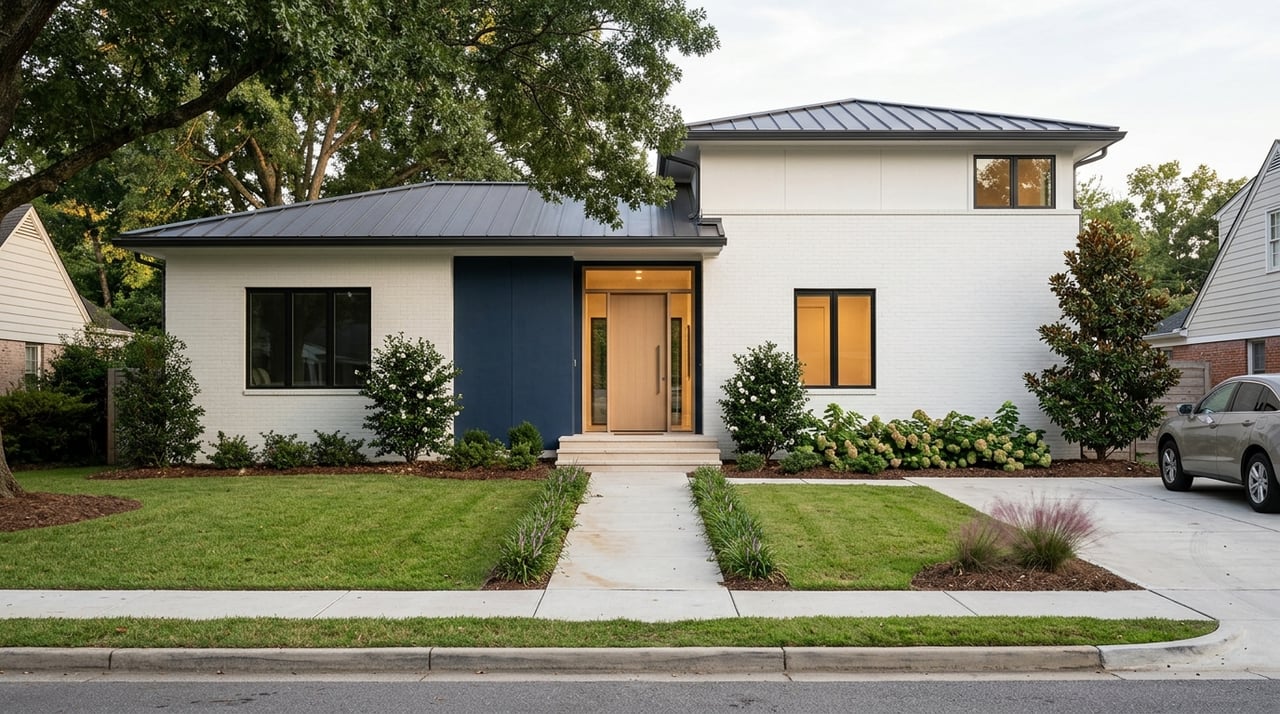
If you are trying to picture daily life in Duluth, the big question is simple: do you want the energy of a walkable downtown, the quieter rhythm of nearby suburban streets, or a mix of both? That choice matters because Duluth offers more variety than many people expect, especially for buyers who want convenience, parks, and a strong sense of place. In this guide, you’ll get a practical look at what everyday life feels like in downtown Duluth and in the surrounding suburban areas so you can narrow in on what fits your routine best. Let’s dive in.
Downtown Duluth at a Glance
Downtown Duluth has a compact historic core, but it functions like a modern gathering place. The city’s rail history still shapes the area through places like the Nancy Harris Pavilion and Train Observation Deck, while Town Green and Parsons Alley help make downtown feel active and current.
The result is a part of town where walking is part of the lifestyle. City updates have emphasized pedestrian access, enhanced sidewalks, and a downtown layout designed for strolling between public spaces, restaurants, and events.
What walkability feels like downtown
If you live near downtown, many casual outings can happen on foot. You can head toward Town Green, spend time in Parsons Alley, and move through Main Street’s public spaces without needing to plan your whole day around the car.
That does not mean Duluth is a car-free city. Like most Gwinnett communities, daily commuting still depends heavily on road corridors such as Peachtree Industrial Boulevard, Buford Highway/SR 23, and SR 120, but downtown offers a more walkable daily experience once you are home.
A downtown built around gathering
One thing that stands out in Duluth is how closely public space and social life connect. Town Green programming, the Parsons Alley district, and the downtown entertainment district all support a pattern where people gather outdoors and move easily between events and dining.
The city’s open-container rules also shape the atmosphere downtown. Within the entertainment district, you can buy to-go drinks from licensed downtown merchants and carry them while walking designated downtown areas like the Green, Main Street, or Parsons Alley.
Everyday Routines in Downtown Duluth
Daily life downtown often feels event-forward. Even if you are not attending something every week, the city calendar helps create a sense that there is usually something happening nearby.
In recent city schedules, Duluth has highlighted recurring events like the Farmers & Artisan Market, Fridays-N-Duluth, Flicks on the Bricks, the Spring Arts Festival, Derby Day, Little Beer, Howl on the Green, Deck the Hall, and Cookies & Cocoa with Santa. More recent coverage shows that Town Green events continue to anchor the local calendar.
What a typical weekend can look like
A downtown weekend can be simple and full at the same time. You might start with a market morning, spend part of the afternoon at a park or on a trail, and then head back downtown for an evening movie, festival, or seasonal event.
That kind of rhythm is a major part of Duluth’s appeal. Instead of having to drive across the county for every outing, you have a concentrated mix of dining, events, and public space in one central area.
Dining as part of the lifestyle
In downtown Duluth, dining is not just about where you eat. It is part of how the area functions socially, especially around Parsons Alley and the entertainment district.
Because restaurants and public gathering areas are closely connected, dinner can easily turn into a walk around Town Green or time spent at a city event. For many buyers, that creates a more active and connected feel than a typical suburban commercial strip.
Housing Options Near Downtown
If you are considering downtown or close-in neighborhoods, you will find a mix of housing types rather than one single pattern. City-backed redevelopment has added townhomes, single-family homes, mixed-use projects, and multifamily communities near the core.
Examples in city reporting include a neighborhood near City Hall with about 100 homes, a 36-townhome project across from City Hall, and mixed-use or multifamily redevelopment such as District at Duluth and The Village in Duluth. The city’s development code also encourages varied elevations and rear-entry townhouses in newer projects.
Who downtown housing may suit best
Downtown-adjacent housing can work well if you want lower-maintenance options, newer construction patterns, or easier access to events and public spaces. It can also be a strong fit if you like the idea of having restaurants, trails, and city programming woven into your normal routine.
For some buyers, townhomes near downtown offer a practical middle ground. You get proximity to the action without necessarily taking on the upkeep that can come with a larger lot.
Life in Duluth’s Suburbs
Outside the historic core, Duluth shifts into a more familiar suburban pattern. You will still have access to the same city amenities, but the day-to-day feel is typically more spread out, more car-oriented, and often quieter at home.
That suburban setting is a big part of why Duluth appeals to such a wide range of buyers. You can enjoy the city’s parks, downtown events, and dining scene, then return to neighborhoods that feel more removed from the activity.
More space and different routines
In the suburbs, routines often center on school and work schedules, errands by car, neighborhood streets, and regular park visits. The pace can feel steadier, especially for buyers who want a little distance from downtown foot traffic and event noise.
Housing here also tends to support a wider range of everyday needs. Depending on the area, you may find single-family homes, newer townhomes, and apartments near major corridors and redevelopment zones.
Commuting from suburban Duluth
Most commuting in Duluth is road-based, not rail-based. Major travel patterns connect through Peachtree Industrial Boulevard, Buford Highway/SR 23, and SR 120.
For regional transit, Gwinnett Transit operates local routes, commuter routes, and park-and-ride service to Downtown and Midtown Atlanta and Emory/CDC from locations including I-85/Indian Trail and I-85/Sugarloaf Mills. Ride Gwinnett also offers on-demand microtransit within designated zones.
Parks Shape Daily Life
Whether you live downtown or in the suburbs, parks are part of everyday life in Duluth. The city lists parks such as Bunten Road Park, Church Street Park, and Rogers Bridge Park, and city planning materials say the Parks and Recreation Department manages six parks totaling about 140 acres.
You also have nearby county options. Shorty Howell Park includes a 1.25-mile paved trail and seven lighted youth baseball and softball fields, while McDaniel Farm Park spans 134 acres with 3 miles of trails and historic farm buildings.
Why Rogers Bridge Park matters
Rogers Bridge Park is a good example of how outdoor life works in Duluth. The city completed the pedestrian bridge there in 2023, reconnecting Duluth to Johns Creek across the Chattahoochee.
That project adds more than a scenic feature. It reflects a local pattern that values trail connections, walkability, and public spaces that support both daily use and special events.
Outdoor life is not just occasional
Duluth’s parks are not just weekend backup plans. City coverage around Rogers Bridge Park and Bunten Road Park shows regular investment in trails, connectivity, and recreation programming.
That means outdoor activity can become part of your normal week, whether that looks like walking trails, attending a family event, or spending time in active public spaces close to home.
How Duluth Compares to Nearby Suburbs
In the broader Gwinnett market, several suburbs have active downtown or town center areas. What makes Duluth stand out is the combination of rail-heritage public spaces, Town Green programming, Parsons Alley dining, and a compact event-heavy core.
Research on nearby cities shows different patterns. Suwanee emphasizes Town Center Park in a mixed-use setting, Norcross is known for tree-lined sidewalks and older architectural styles around a revitalized downtown, and Lawrenceville points residents toward downtown shopping, dining, and events.
Duluth’s unique balance
Duluth feels like a middle ground for buyers who want both suburban convenience and a defined central district. It is not just a spread-out suburb with a few shops, and it is not trying to function like intown Atlanta either.
Instead, it offers a compact core with regular activity, surrounded by neighborhoods that still fit the suburban Greater Atlanta lifestyle many buyers want. That balance is a big reason Duluth stays on the radar for both local movers and relocators.
Choosing Between Downtown and the Suburbs
If you are deciding where to focus your home search, start with your real routine. Think about how often you want to walk to events or dining, how much space you need, and how important newer housing types or lower-maintenance living may be.
Here is a simple way to frame the choice:
- Choose downtown or near-downtown if you want walkability, easy access to events, and a home base close to restaurants and public gathering spaces.
- Choose the suburbs if you want a quieter residential setting, more separation from activity, and a routine built more around driving and neighborhood living.
- Choose either area confidently if parks and outdoor access matter, because those amenities are woven throughout Duluth life.
The right fit depends less on a label and more on how you want your week to feel. That is where local guidance can save you time and help you focus on the areas that match your goals.
If you are thinking about buying or selling in Duluth, Jim Stern can help you compare neighborhoods, housing styles, and day-to-day lifestyle so you can make a practical move with confidence.
FAQs
What is everyday life like in downtown Duluth?
- Everyday life in downtown Duluth centers on walkability, Town Green events, Parsons Alley dining, and public spaces tied to the city’s historic core.
What types of homes can you find in downtown Duluth?
- Downtown Duluth includes newer townhomes, single-family homes, mixed-use development, and multifamily housing near the city center.
What is suburban life like in Duluth, GA?
- Suburban life in Duluth is generally quieter and more car-oriented, with daily routines often centered on neighborhood living, commuting, errands, and nearby parks.
Are parks a big part of life in Duluth?
- Yes, Duluth residents have access to city parks such as Bunten Road Park, Church Street Park, and Rogers Bridge Park, along with nearby county parks like Shorty Howell Park and McDaniel Farm Park.
Can you live a walkable lifestyle in Duluth, GA?
- You can enjoy a more walkable lifestyle in and around downtown Duluth, where the city has invested in sidewalks, pedestrian access, and gathering spaces designed for strolling and events.
How does Duluth compare with nearby Gwinnett suburbs?
- Duluth stands out for its compact, event-heavy downtown core that blends rail-heritage public spaces, dining, and regular city programming within a suburban setting.
